
In today’s Not-So-Romantic Blog, we are going to be talking about Telescopefish, the spooky looking, big eyed fish which lurk underneath the ocean surface!
Telescope fish live in the dark depths of the ocean and aren’t very well known. This Not-So-Romantic Blog will give them the courage they deserve. Prepare to be a little freaked out as we explore the tale of the telescopefish.
As you can tell from the ‘eye opening’ image these fish are roughly 6-10 inches long and slender and just in case you missed them, have pretty big and spooky looking eyes as well. I’m not sure why I said “as you can tell” at the start of this paragraph… not many people can tell how long something is just from a photograph…
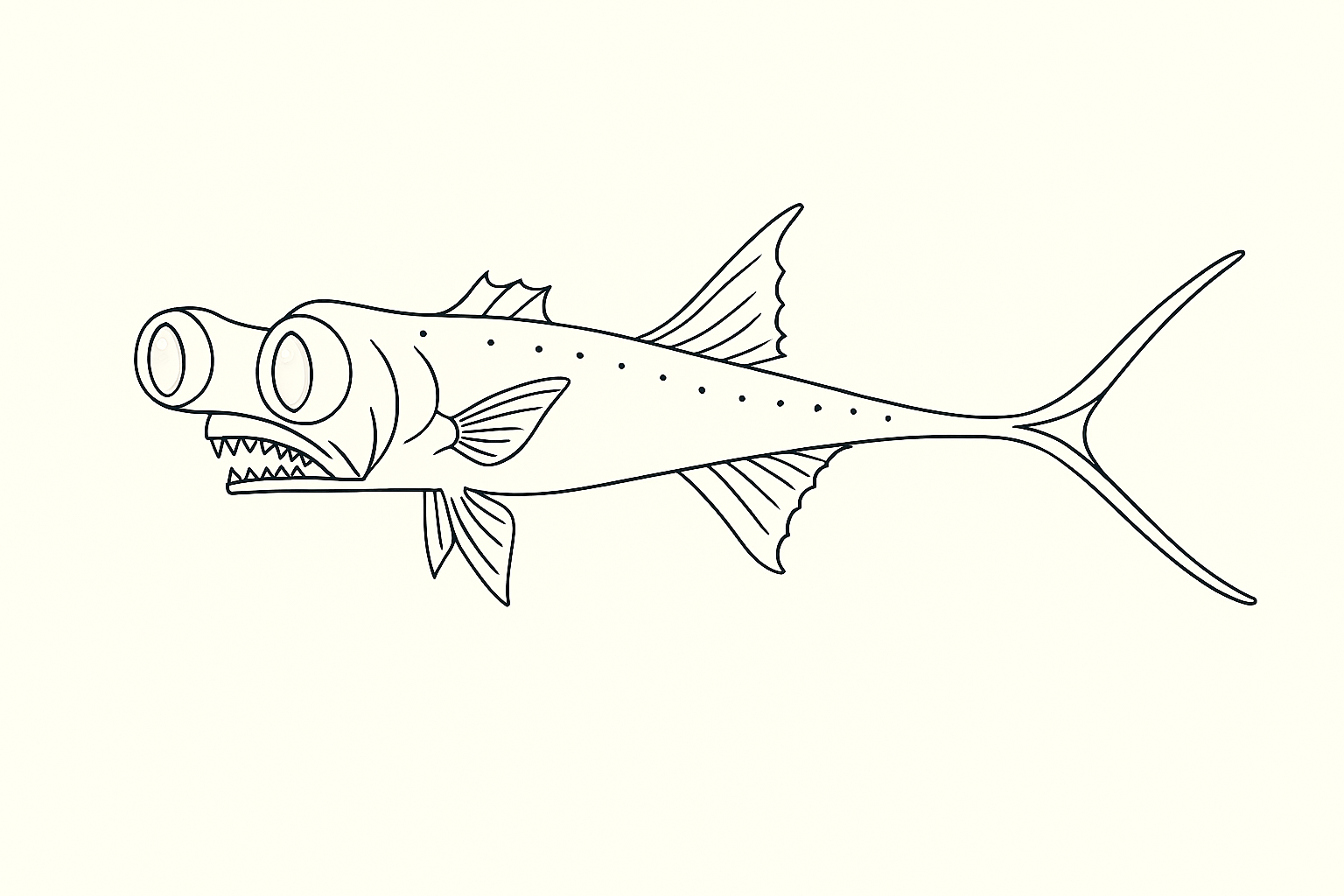
It’s from their eyes that their name comes from as they pop out their head like little telescopes in their tumbler shape. I suppose if you’re being picky then they should really be called ‘binoccular fish’ as they have two eyes- I wish I could claim full credit for that joke as I feel like I’ve read it somewhere before. Telescopefish would be more fitting should they only have a single eye. Binocular fish exist by the way.
These delightful looking fish live between 500 and 3000 metres under the sea in tropical and sub-tropical waters. 3000 metres may sound like it’s really deep – and it’s not exactly shallow- but it’s not that low down compared to the deepest parts of the ocean.
Ocean depths
The ocean is split vertically into five sections- I don’t mean literally split with a big knife of course. Quite often we’re taught about four sections to keep things simpler but I’m not going to belittle your intelligence here- so here’s the five sections of the ocean.
| Zone | Depth Range | Key Traits |
| Epipelagic | 0–200 m | Sunlit, photosynthesis, most marine life |
| Mesopelagic | 200–1000 m | Twilight zone, limited light, vertical migration |
| Bathypelagic | 1000–4000 m | No light, cold, high pressure |
| Abyssopelagic | 4000–6000 m | Near freezing, sparse life, extreme pressure |
| Hadalpelagic | 6000–11000 m (trenches) | Found in ocean trenches, deepest known habitats |
It’s crazy to think that most marine life is in the first 200 metres of the ocean depth. I also remember my schools head teachers office being described like the Bathypelagic zone- no light, cold and high pressure.
The ocean both fascinates and petrifies me, there’s so much we still don’t know.
I think I’d be more afraid to go to the bottom of the ocean than I would be to go to space… what about you? Would you rather go to the bottom of the ocean or to space?
The zones are based on changes in light, pressure, temperature, and life forms, not by dividing the total depth of the ocean by five.
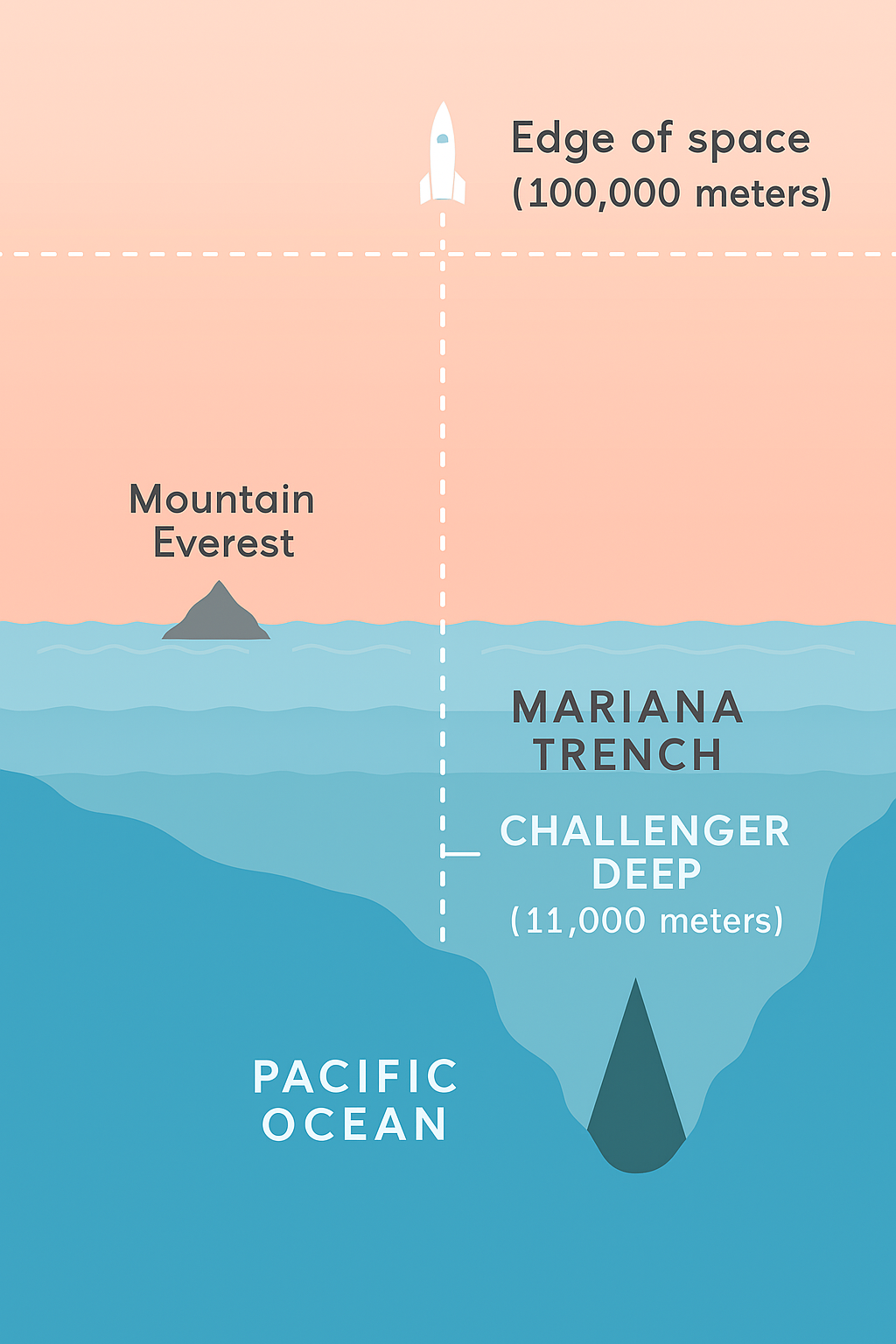
Whilst we’re talking about it, the Mariana Trench is the deepest known point of the ocean. It’s a mind boggling 10,984 metres deep- almost 7 miles down! That’s taller than Mount Everest and about the height an airplane will fly at. Believe it or not it’s less explored than the Moon or Mars.
It was first discovered in 1875 by the British ship HMS Challenger which is why the Mariana’s lowest point is known as ‘Challengers deep’.
It’s located in the Western Pacific Ocean east of the Mariana Islands, close to Japan.
Telescopefish
So, back to the topic at hand. Telescopefish. How much do we actually know about them?
For a starter, we know they have jaws that can unhinge to allow them to eat prey pretty much twice their size. We’d all be more cautious around toddlers if they had that ability. Telescopefish like to snack on lanternfish- which aren’t the ones with the lanterns on their heads- they’re called anglerfish.
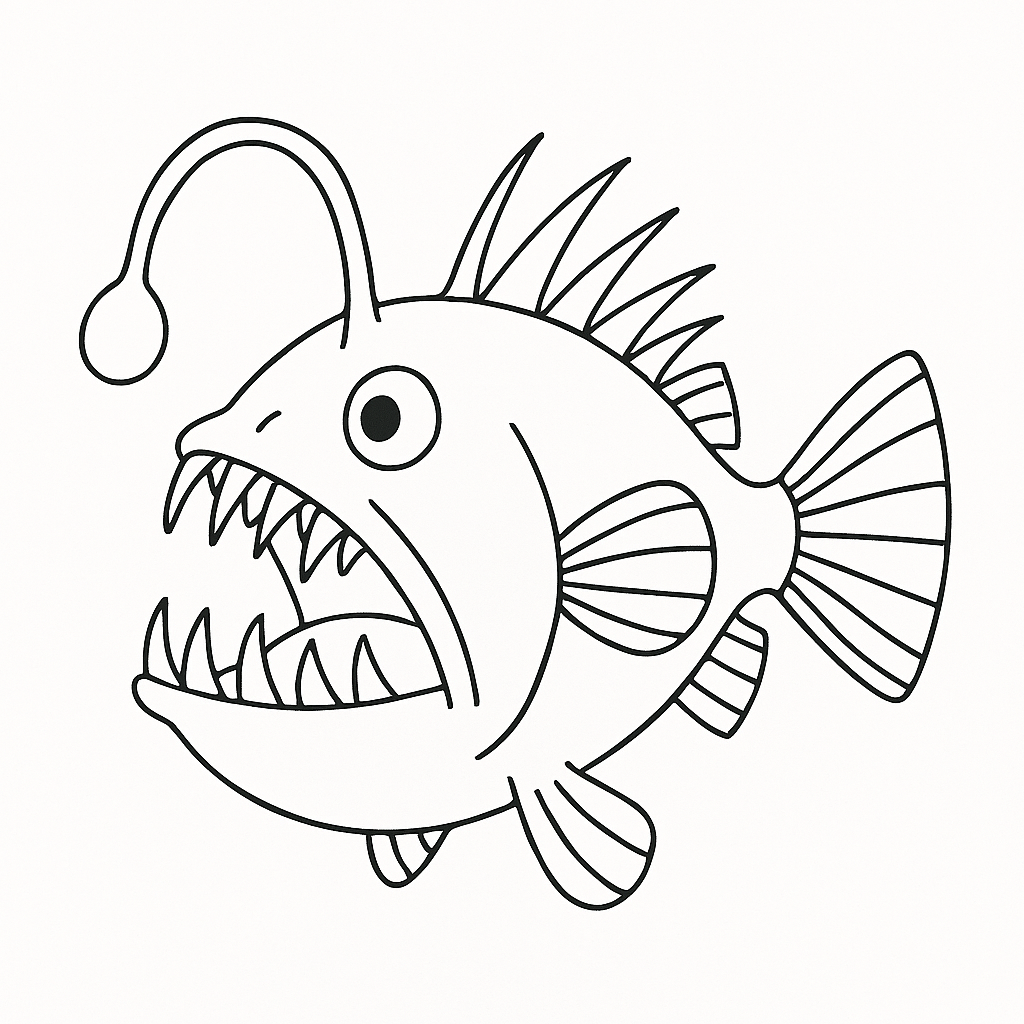
Fun fact about laternfish… they can glow in the dark which finally solves the mystery of where all the misplaced torches go. Just kidding, I think.
They glow in the dark using a process called ‘bioluminescent’, which is an incredibly long and fancy word I would recommend we all forget before we start speaking weird. Bioluminescent is interesting though, just a difficult word to say and an awkward one to type when you’re tired.
Most lanternfish glow a beautiful bluey-green light as they dive deeper into the ocean. This doesn’t happen by a fancy coloured torch but rather a chemical reaction which they can control to make best use of being able to glow. They do this for defence, camouflage, under water firework drome like displays, communication, and are great for startling prey or predators. Some even have extra light organs on their heads to be able to create a direct beam- like a car.
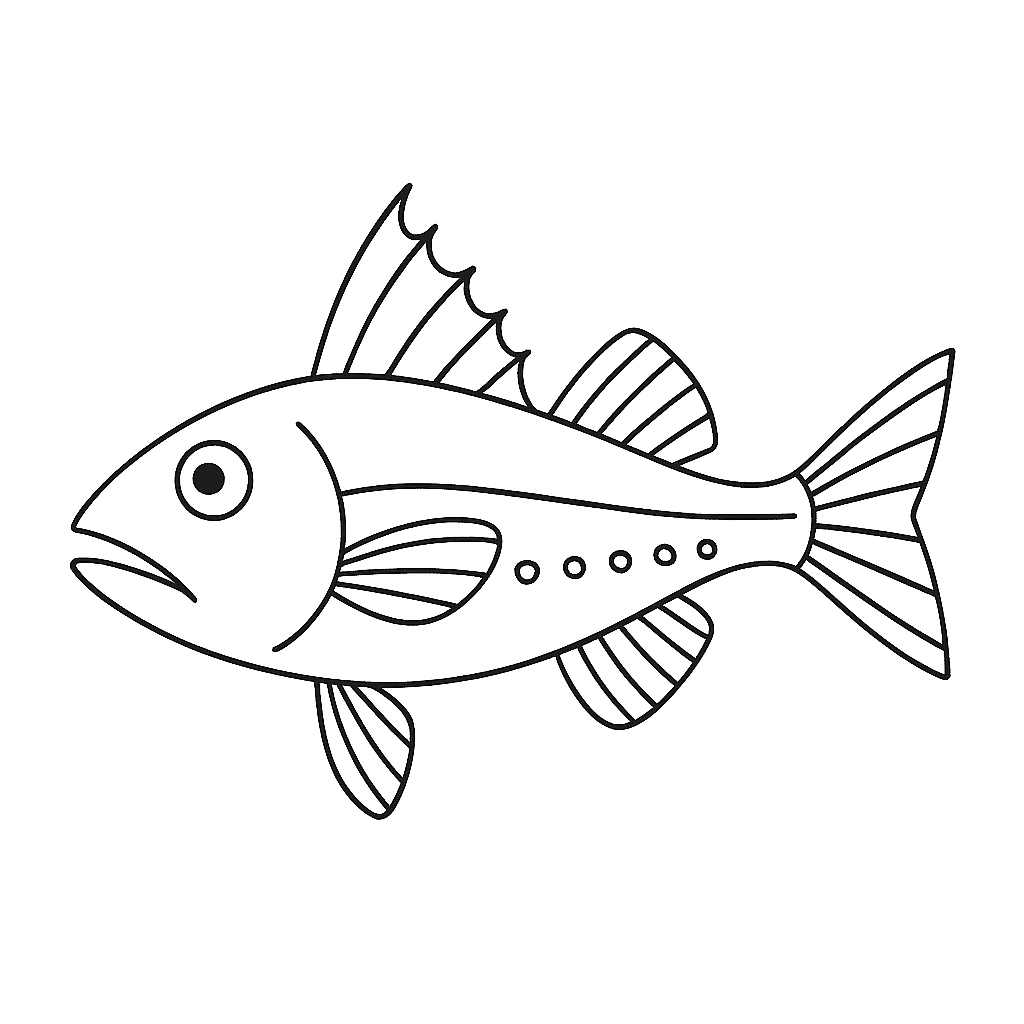
Because these lanternfish can glow in the dark when the telescopefish eats them, they could end up with a glowing belly which would attract all the things that want to eat them towards them. Thanks to evolution, however, the telescope fish is equipped with a black lining that stops the light escaping their body. They effectively have a black out curtain in their stomachs. Glowing pies would certainly make answering the question “who ate all the pies?” a little easier to answer.
Sadly not alot is known about the nature of characteristics of telescopefish as encountering them as a person is extremely rare – I’m sure we’re all greatful for that- so all we know is, in many ways, an educated guess, just like the weather forecast.
They are thought to be solitary creatures who sit and wait for their prey to drift past above their heads and since light is basically non existance where they dwell, the prey could easily drift past them and never know they were there. One second they’d be swimming and the next they’d be telescopefish food.
Telescopefish do have one of the most notable transformations from baby to maturity among fishes. Their larvae is globe shaped when they hatch from their eggs. They look so different that they were actually thought to be a separate species for the best part of 80 years.
They are known as non-guarding pelagic spawners which is just a fancy way of saying that they don’t look after the eggs they produce. They ain’t no chicken, they don’t waste time sitting on their eggs. They have male and female reproductive organs, they dump everything into the water columns and then wish their eggs the best of luck before getting on with the rest of their lives.
We don’t know how long they live but most likely they live for just several years.
They’re just creepy in my opinion. Creepy.
what to read next
Whilst you’ll be sad you’ve reached the end of this Not-So-Romantic blog, you’ll be happy to hear there’s plenty more for you to enjoy. Here are just a few that I think are similar to this blog that could be a good place for you to start, going back to the main page of the blog and having a scroll through is also an option though.