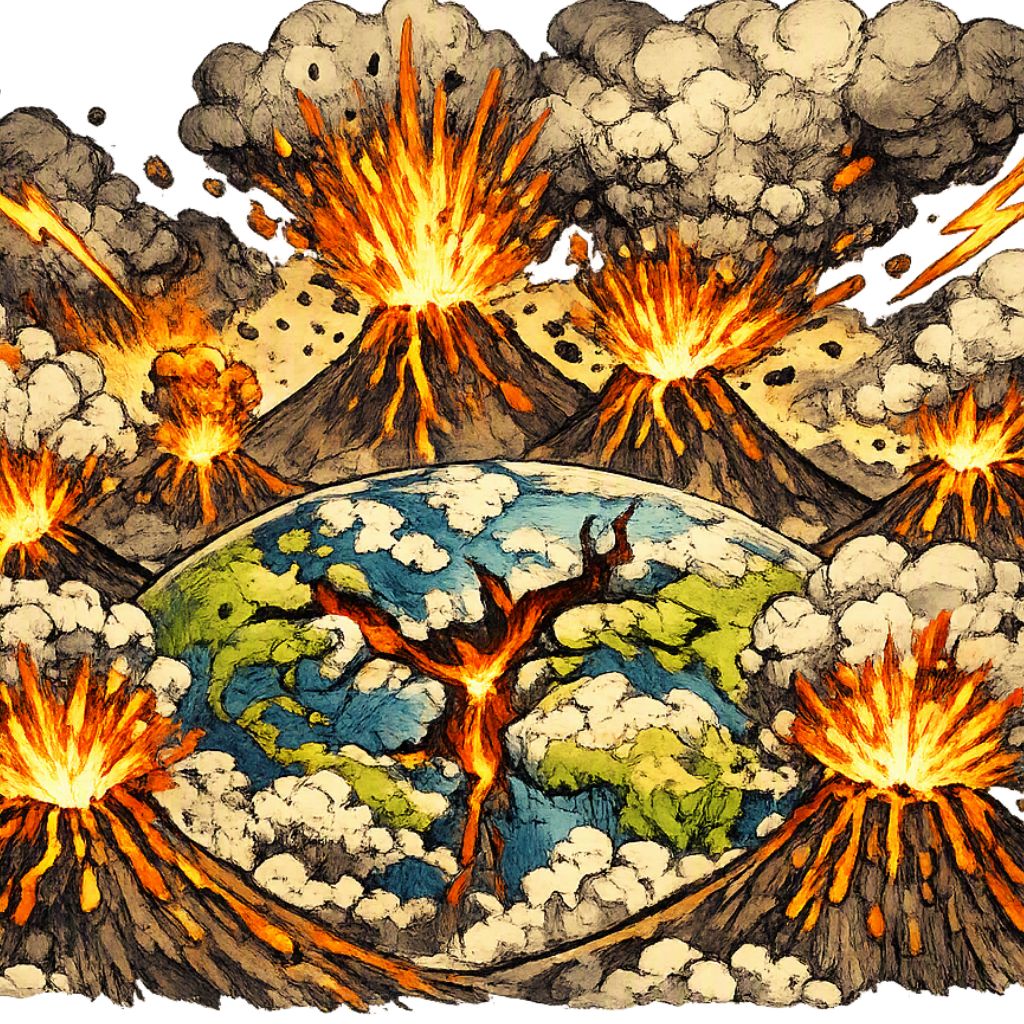
I think we can all agree that this blog doesn’t need to be very long at all. What would happen if every volcano on Earth erupted at the same time? A disaster… that’s what would happen. But, for the purpose of you not wasting your click, let’s explore the question in more detail.
I suppose reader discretion for this blog? It’s not a very happy topic to be discussing, but it is a wonderful fit for the Not-So-Romantic blog as it’s well… a not-so-romantic subject.
A little bit about volcanos
First off, how many volcanoes are on planet Earth?
Answer: Roughly 1500. A lot of volcanoes are hidden deep under the oceans and even, maybe, under Antarctica which make it really different to get an exact number. Of those 1500 volcanoes, 500 of them have erupted in recorded history and- this blew my mind a little bit- there are anywhere between 20 and 30 volcanoes actively erupting every day. We’re all here sat on our bottoms and out there in the world there are up to 30 volcanic eruptions taking place.
Here’s a few more volcano facts before we carry on.
- Volcanoes got their name from the god ‘Vulcan’ who was the Roman god of fire
- Japan, Alaska, Hawaii, Russia and Indonesia are the home to the most active volcanoes so avoid living there if you don’t like active volcanoes I suppose.
- Nothing to do with volcanoes on Earth, but a cool (that’s a pun- you’ll see) fact is that there are volcanoes in the Solar System that erupt freezing cold water and methane instead of hot lava. They are called ‘Cryovolcanoes’. If you wanted to visit one you’d have to travel to the icy moon Triton which orbits Neptune- just a 2.7 billion mile journey, so you would have to really want to go and see them. To travel that distance with the currently available technology it would take between 12-16 years. The 4 year difference is down to where we are on the orbit cycle.
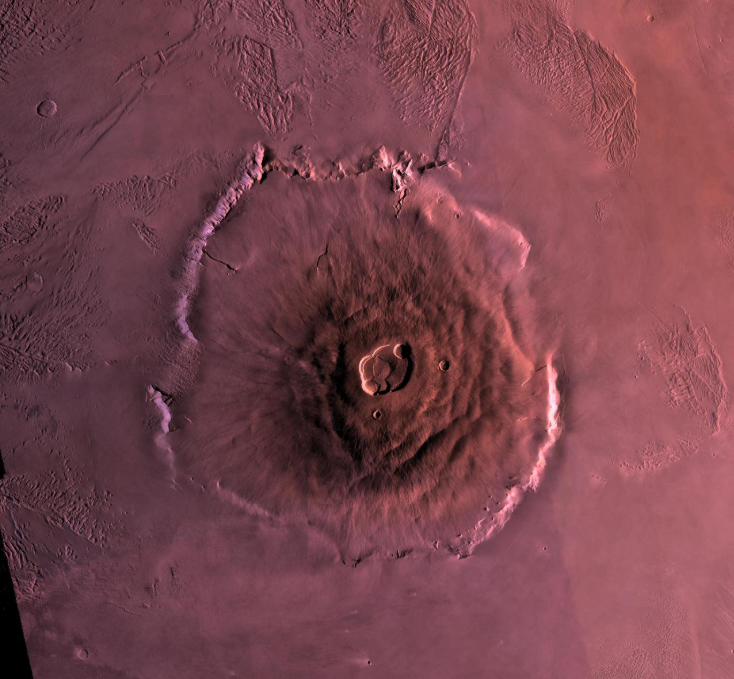
- Speaking of Volcanoes not on Earth, the largest volcano in the Solar System is ‘Olympus Mons’ located on everyone’s favourite red planet ‘Mars’. It is 13.6 miles tall- that’s two and a half times bigger than Mount Everest- and has a base of almost 370 miles across meaning if you plopped this volcano down on Poland… Poland would be completely squashed underneath it.
Every volcano erupts
Remember, for this blog and the -hopefully theoretical question we’re answering- we’re going to be setting every volcano on Earth to be active. Flicking the switch to set them all ‘active’ is certainly a power nobody should ever have.
Earthquakes
These would be smaller than ‘traditional’- feels like the wrong word- earthquakes these ‘volcanic earthquakes’ happen because of magma movement causing fractures to the rock as it forces its way upwards and changes the pressure beneath the volcano.
Let’s start with the immediate chaos- and believe me, it would be chaos- that would ensue
This is all well and good when it’s just a single volcano erupting, but I speculate that the earthquakes caused by all the volcanoes erupting at the same time would be fairly powerful.
It’s not just the shaking Earth that becomes a problem either.
Some previous volcanic eruptions have caused earthquakes strong enough to damage buildings and I’d suggest this would happen on the occasion of every volcano erupting at the same time. The other issues we’d face are tidal ways and landslides which could block off potential escape routes.
Pyroclastic flows, lava and ash
To clear it up right at the start of this section. Lava is magma that has reached the surface. We use different names for them- despite them being basically the same thing in my mind- because magma is under huge pressure- lava is not. Magma contains gas which is lost when it bursts above the surface then lava flows and cools into rock. Magma sits, moves, or builds pressure underground.
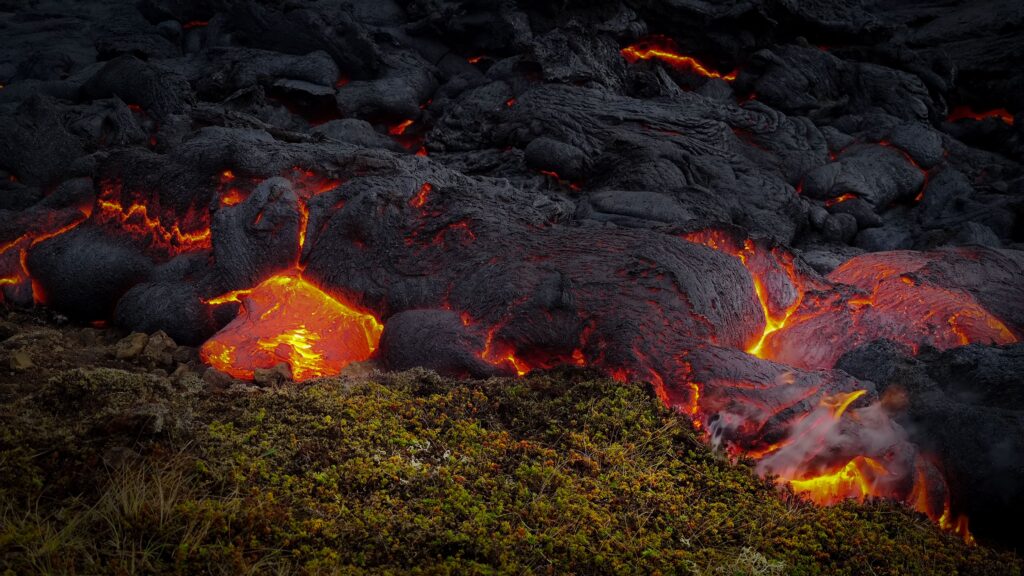
On the topic of lava, some lava is fast moving; some is slow moving. Unless you’re unlucky enough to be stood right on top of the volcano when it goes off there is a good chance you’ll be able to outrun the lava- stopping it setting fire to everything around it is a different matter.
Pyroclastic flows
Something you would have difficulty outrunning are pyroclastic flows. They are fast, burning, ground-hugging avalanches of hot gas, ash and shattered rock that race down the slopes of an erupting volcano. They don’t appear every time but when they do, they are deadly.
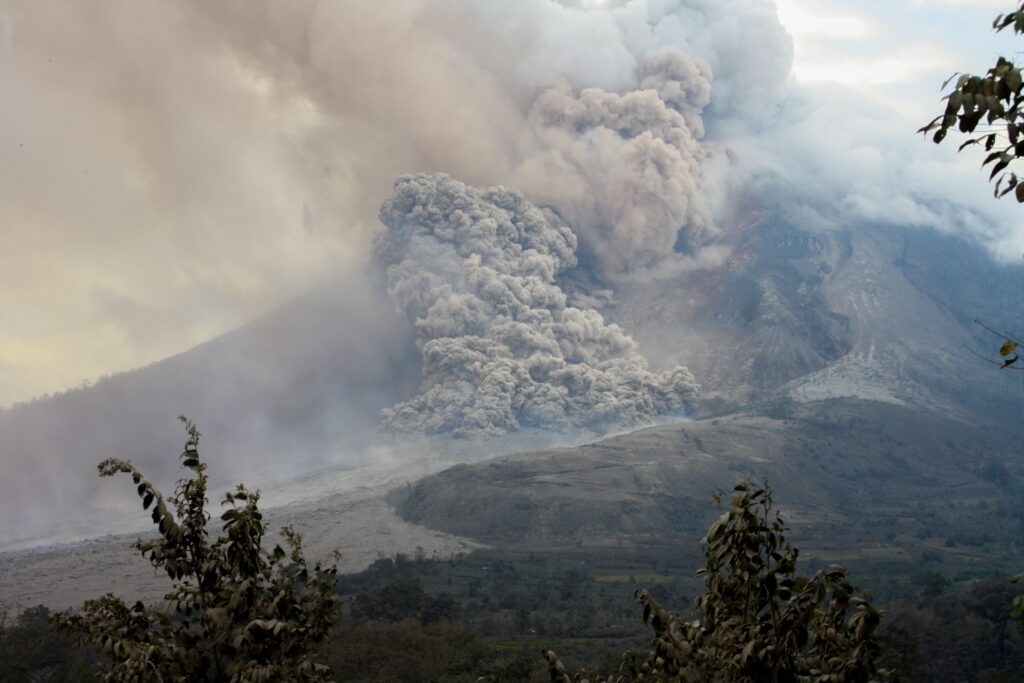
They can appear in several different ways.
They will appear from a sideways explosion. ‘Lateral blast’ for the technical term. This is where a violent explosion tears out the side of a volcano. Dramatic right?
Another way they can be formed by ‘volcanic column collapse’- the bits that shoot out the top of the volcano (can go 20 miles in the air…) get too heavy to stay in the air and collapse down on itself- thanks gravity…
The final way they can form is through ‘lava dome collapse’.
At the top of a volcano is a crater and sometimes thicker toothpaste consistency lava doesn’t flow away it just piles up in the crater which makes a lava dome. Overtime the lava dome can grow taller than the mountainous top of the volcano – oversteepening- so it’s pulled down by gravity which is the most common cause of dome collapse.
As the lava dome breaks apart, it releases the trapped, pressurised gases inside, which instantly shatters the liquid and solid lava in to billions of fragments. This combined explosion is what creates the pyroclastic flow.
The plume of pyroclastic flow can reach temperatures of 800 degrees Celsius and can travel anywhere up to 400 miles per hour (mph) so, as you can probably guess, there is no chance of out running or out driving it unless you have an almighty head start. 400 mph is faster than any vehicle on rough terrain without question- but at least we’d get to Triton first right?
Because the pyroclastic flows hug the terrain it will plough through anyone or anything in its way. This includes any built-up civilisation, farmland and anything else that could be in the way. It can travel six miles away from the volcano as well by the way.
A perhaps surprise result of pyroclastic flows is flooding. The flow is so thick it can block streams and redirect the flow of water.
It was the pyroclastic flow that buried Pompeii in 70 CE and flattened surrounding forest – killing pretty much everything in a 50-mile radius- in 1980 when Mount St. Helen’s erupted.
Ash
Despite the pyroclastic flow being the most deadly part of the volcanic eruptions around the globe we also have the problem of ash. We find it difficult to breathe if our lungs are filled with ash for example. Ash will force all aeroplanes to the ground, collapse roofs and contaminate water- I heard clean water is pretty important for survival.
The ash isn’t just thick smoke. It’s made of rock, minerals and tiny glass particles. This means it doesn’t look like the soot you get when your campfire burns down. The ash is to be feared and with every volcano on Earth erupting at the same time- you can bet there would be a lot of it.
I haven’t even spoken about the acid rain which would be there as well. Talk about an eye stinger, water poisoner and crop destroyer.
What this means is that along with earthquakes we’d also have the pyroclastic flow setting everything on fire, ash darkening out skies and lava.
So, what would actually happen if every volcano on earth erupted at the same time?
After the initial trouble of burning landscapes, ash clouds poisoning our water and cutting off air travel and earthquakes rocking our bones, we would enter a hostile volcanic winter.
Volcanic winter
Along with ash out of the volcanoes there would also be sulphur dioxide billowing out. A thick layer of sulphate aerosols- also comes out of car exhausts, coal and oil power stations and forest fires- would build up in the atmosphere. This build up would reflect sunlight and actually cause daylight on Earth to dim to create a twilight feel- if not near-darkness- across the globe.
You can see the effects of sulphate aerosols in a less severe version of it as a haze over the big cities- of course the haze is still a bad thing.
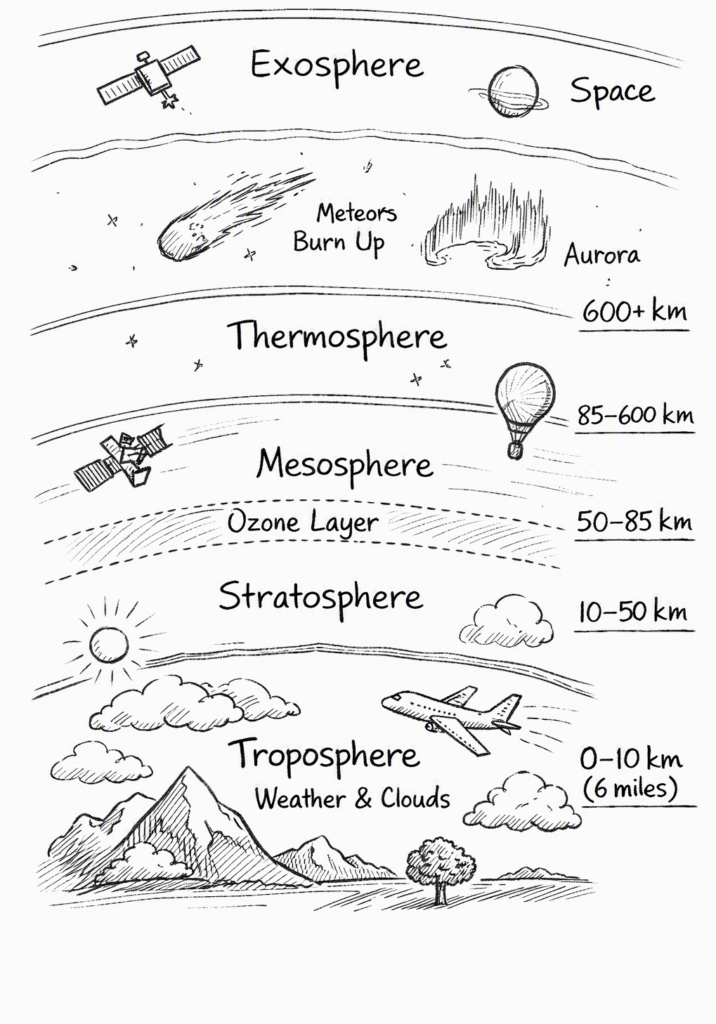
This volcanic winter would last approximately 3-years- based on that sulphate aerosols stay in the atmosphere for up to 3 years. It’s in the Stratosphere which doesn’t have weather to wash it away. Because it’s every volcano on Earth erupting, it wouldn’t be unreasonable to imagine that the volcanic winter would last for more than 3 years.
Several things happen when sunlight can’t get to the Earth’s surface.
- Temperatures drop almost 5 degrees over the 3 year period- this might sound like a good thing, especially since I’m writing this during a sweaty heatwave in the UK but such a dramatic and fast drop in temperature over a prolonged period of time wouldn’t be good.
- The lack of sunlight means that photosynthesis- plants taking sunlight (and water and carbon dioxide) and turning it into food and oxygen- crashes to an almost halt and crops fail around most of the globe, creating a food shortage. That acid rain is poisoning the soil and water as well.
- The same acid rain kills corals and marine life causing mass marine extinction.
Combine this with chaotic and confused weather caused by the temperature drop. Monsoons would weaken or shift creating droughts in some regions whilst flooding others. Flooding effects living quarters, can wash away crops and cut off help to communities.
Super volcanoes
Super volcanoes? Sounds like something from a science fiction – maybe horror- film, right? Well, super volcanoes actually exist and there are around 20 of them on Earth. They look a little different than “normal” volcanoes as rather than the traditional volcano look, they are more of a giant underground balloon of magma with a big bowl-shaped dent on top. This balloon of magma can be 30-50 miles wide and several miles below the surface. The big bowl-shaped dent on top can be 30 miles across themselves.
For those interested in technical language- and I agree, we should always try and learn new words- the underground lava is called a “magma chamber” and the giant bowl-shaped dent is called “caldera”.
It won’t be mind blowing information but a super volcano is a volcano capable of a super eruption- a lot of “super” right?
Something I should have probably mentioned way earlier in the blog is something called Volcanic Explosivity Index (VEI) which has nine levels going from 0-8. The higher the number a volcano is given… the higher it’s explosive index or to put it more simply, the more stuff that will explode out of it.
VEI 0-2 would be a volcano puffing or spitting some stuff out of itself
VEI 3-5 would be an ash cloud high in the sky
VEI 6-7– can have massive impact on the weather and cover whole countries in ash
VEI 8- Has the ability to cover entire cities under mountains of ash.
I always find that comparing volcanic eruptions to glitter always makes it easier to understand.
VEI 0– tiny sprinkle of glitter, a pinch of glitter so to speak
VEI 2– A handful of glitter
VEI 5– A whole bucket full of glitter
VEI 8- Filling your school classroom with glitter.
For more context, when Vesuvius erupted in 79 CE it was “only” a VEI 5 eruption. I won’t say that the volcano dumped a “bucket of glitter” on top of Pompeii as I feel that would be disrespectful… Just imagine how much more would have been buried in ash and destroyed if Vesuvius had been a VEI 8.
Notable examples of super volcanoes around the world include;
- Yellowstone Caldera in the USA, the largest of this super volcano’s eruption was 2.1 million years ago.
- Lake Toba in Indonesia. This super volcano erupted 75,000 years ago in one of the biggest known eruptions.
- Taupo Volcano in New Zealand is the hold of the most recent VEI-8 eruption, 25,600 years ago.
Super volcano eruptions are- thankfully- extremely rare. Without the ability to “flick a switch” they may only erupt every several hundred thousand years. The effects of a super volcano erupting by itself can have the same effect as we’ve discussed with multi – well all- volcanos erupting at the same time.
In the real world, scientists monitor systems closely, watching for any sign a super volcano is about to erupt.
In our scenario of every volcano on Earth erupting at the same. The 20 or so super volcanos would erupt as well. The eruptions wouldn’t change what we’ve been taking about. It would just – need a stronger word there- amplify the effects around them and put far more lives in the local area in danger.
For example, if Yellowstone erupted huge areas of the nearby states (Idaho, Montana) could be buried in meters of ash on the ground and even cities further away could be forced to welcome centimetres of ash to the streets. And remember ash from a volcano is that soft ash we see from the fireplace. This VEI-8 eruption alone would be a national-scale disaster and we’re setting them all off at the same time.
Would humans survive?
The answer to the question is a little more difficult to answer, and the one I’m sure you’ve all been wondering since you read the blog title- the volcanoes aren’t going to erupt for ever.
Yes, we would survive but we can definitely say that civilisation as we know it doesn’t continue. There would be food shortages during the volcanic winter- you would hope that in such an event as this there would be forced global cooperation… but I can’t say that with any great confidence- and that’s a really sad thing to say and think- please leave me comments explaining why that’s wrong and how humans would pull together in the biggest challenge to survival they’ve ever faced. It’s good to have hope!
A global cooperation would see medical and engineering teams working together, refugee relocation, rebuilding projects, shared technology and most importantly international food distribution- we can grow food inside I suppose.
One disaster would be the internet outage- where are we getting our cute animal videos from!?
How would humanity survive?
This is the real question. Be honest, did you click on this blog hoping for tips?
Firstly, any survival effort would need pretty much complete global collaboration. No more “I don’t like that person’s hair so I’m not going to talk to them” rubbish. As I wrote above, I really hope this would be the case in humanities darkness hour and we do find that when survival is on the line we do tend to pull together.
Secondly, there would be a huge relocation challenge to take place. Areas like southeast Asia has 161 million people sitting close to potentially multiple volcanoes. Survivors would need relocating after the eruption. On top of that Indonesia, central America, Japan, New Zealand, and the Naples area of Italy would al suffer the most due to the location of Earths volcanoes.
Survivors would have respiratory problems, eye and skin irritation plus a whole host of mental health impacts like post-traumatic stress disorder (PTSD) that would need treating.
Australia, Scandinavian countries (Norway, Sweden, Finland), the UK and Ireland, Northern Canada and the middle east would become the safe havens with no volcanic activity and far enough away from the ashfall to get away from most of the volcano dangers.
It’s not just the volcanic activity that would force people to migrate; the colder regions would be even colder forcing many to abandon territories. Scandinavian countries would be safe from volcanoes, but would they be safe from the enhanced cold?
We aren’t living in the 1700s anymore. So, we actually have good technology that would help us accelerate recovery. Solar and wind power, water purification systems, drones, rapid construction methods and indoor agriculture methods to name but a few. Of course these rely on us working together, but we do have technology that will help us.
Food production rebirth. We would suddenly be more dependent on greenhouse, hydroponics (growing plants without soil), indoor LED farming (artificial sun) and fast-growing crops like potatoes to provide the world with food.
It might take 3 years, but temperatures would get back to “normal” as the Earth’s climate goes through a self-correction as the aerosols are gone. It’s just what shape humanity would be after those 3 years.
What to read next
Phew, this was a long blog- well longer than any previously written but it was so fascinating to do this thought excerise of ‘what would happen if every volcano on Earth erupted at the same time- this is really the start of a new direction for the Not-So-Romantic blog which I am very excited for.
If you’re still reading that this point, or even if you’re polite enough to read to skip to the end to see the conclusion then thank you- please leave me a comment letting me know what you think, how would you survive every volcano erupting at the same time and, of course, pose me some other questions that could be explored in future blogs.
Thanks for taking the time out of your day to read this little blog of mine on the internet and here’s some other blogs I feel you would enjoy.